

What Are Enzymes? Functions, Types, Properties & How They Work

Introduction to Enzymes
The human body comprises different cells, tissues, and other complex organs. It releases some chemicals for the efficient functioning of biological functions like excretion, digestion, respiration, and a few other metabolic activities. These chemicals are generally termed enzymes. Therefore, they are essential for life as they govern all biological processes.
This article will provide you with solutions to questions like what are enzymes, what enzymes do, how do enzymes work, the properties of enzymes, the classification of enzymes, and others.

What Are Enzymes?
All biological reactions are catalysed by some special catalysts called enzymes. Therefore, they are defined as ‘biochemical catalysts.’ They enhance the rate of biochemical reactions, i.e., reactions in living organisms.
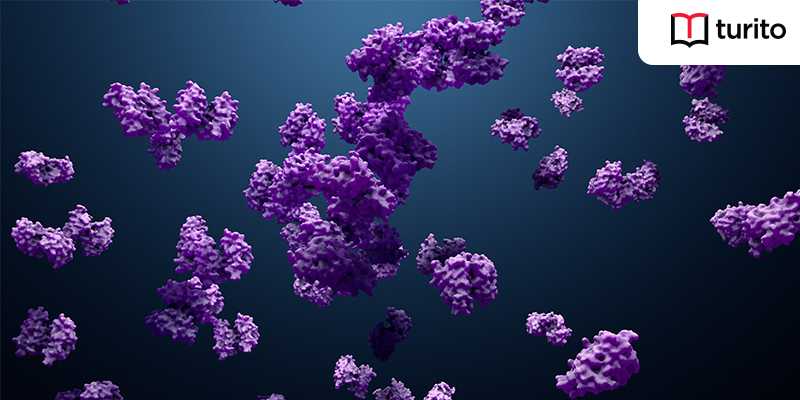
These are generally proteins that contain strings of amino acids. Their functioning is determined by their shape, sequence, and types of amino acids. They cause the reaction to occur even under unfavourable thermodynamic conditions.

The functions of cells rely on enzymes. These help in developing and speeding up the chemical reactions in cells. In short, they support cells to get things done. It can participate in biochemical reactions without destruction or irreversible modifications during the reaction. Therefore, they are considered biochemical catalysts.
The human body contains thousands of enzymes. It is evaluated that more than 75,000 enzymes are used in biofuel, brewing, dairy, and other manufacturing areas.

What Do Enzymes Do?
Their role is to reduce the activation energy, thereby allowing the reaction to occur at a lower temperature because of their reversible binding with reactants. The steps involved in the enzyme catalysis of a single reaction can be represented as given below:
E + S ⇌ ES* ⇌ ES ⇌ EX* ⇌ EP ⇌ EP* ⇌ P + E

- Where S = Reactant (called Substrate),
- P = Product,
- ES and EP = Enzyme complexes,
- EX* and EP* = Activated complexes at the transitional state
The above reaction can be abbreviated as:
E + S ⇌ ES ⇌ P + E

- Where ES = Enzyme substrate complex.
In enzyme-catalysed reactions, though activation energy is lowered, the net energies of the reaction remain unchanged.
Lock-and-Key Model
The easiest way to understand the mechanism of enzymes is the lock-and-key model. Think of it like this:

- Enzyme = Lock (having a certain shape)
- Substrate = Key (fits perfectly into that lock)
- The reaction occurs immediately when the key is inserted in the lock.
- The product is set free, and the enzyme is prepared in the subsequent reaction.
This model explains why every enzyme of the body is so specific; only the correct substrate will fit in its active site. It, however, assumes that the shape of the enzyme is completely rigid, which is not always the case!
Induced Fit Model
A more current, improved explanation is the induced fit model. It demonstrates that the enzymes are, in fact, flexible!

- The shape of the enzyme is not fixed; it becomes a bit altered upon binding of the substrate to the enzyme.
- The substrate fits perfectly in the enzyme, which molds itself.
- Such flexibility enhances the efficiency of the enzyme to accelerate reactions.
- Once the reaction is over, the enzyme goes back to its normal shape and is ready to work again.
Structure of Enzymes
Enzymes are proteins and just like any other proteins, they possess a special 3D structure. This is what makes them effective. Understanding enzyme structure is key to understanding how they function!
As we read above, enzymes are composed of amino acids which are the building blocks of all proteins. These amino acids are joined in a series, and the series is further folded into a certain shape in the 3D form. This folding is not random, but it depends upon the chemical characteristics of each amino acid. The nature of their fold dictates the activity of the enzyme.
Everything is the 3D structure of an enzyme! It determines:
- What substrate is the enzyme capable of working with
- The rate at which the enzyme can catalyze a reaction
- The optimal working temperature and pH of the enzyme
- The effectiveness with which the enzyme is able to work.
Imagine a machine; unless the parts are shaped to the right shape, the machine will not work. The same goes for enzymes.
Enzyme Diagram and Active Site
The part of an enzyme where the chemical reaction happens is called the active site.
- Active Site = This is the special pocket or groove where the substrate attaches to the enzyme.
- Think of it as the “business end” of the enzyme, where all the action happens.
- Active site shape and chemical characteristics are designed to fit only certain substrates.
How does the active site work?
- The substrate makes an entry into the active site.
- The enzyme and the substrate form the chemical bonds.
- The rate of reaction increases exponentially (millions of times faster in some cases!)
- The product is released.
- The active site of the enzyme is now available to act on another substrate.
The ability of an enzyme is dictated by its 3D shape. In case the active site is of the incorrect form, the substrate will not fit, and the reaction will not occur.
Properties and Characteristics of Enzymes
They have some remarkable properties. Some of them are given below:
Specificity
They are reaction specific, i.e., each catalyses only one chemical reaction. For instance, the enzyme urease can only hydrolyse urea to NH3 and CO2; it invertase hydrolysis sucrose to glucose and fructose; to hydrolyse maltose, the enzyme maltase is used.
Efficiency
Enzymes catalyse rates of biological processes at an extremely faster rate. A chemical reaction in the presence of enzymes proceeds hundreds to millions of times faster. Furthermore, these reactions occur at the body temperature and physiological pH range. They exhibit their activities even when they have been extracted from the source.
Small Quantity Required
A small number of enzymes can be highly efficient. It is because the enzymes’ regeneration rate is very fast compared to chemical catalysts. For instance, a single molecule of the enzyme carbonic anhydrase can decompose 36 million molecules of carbonic acid into CO2 and H2O in one minute.
Optimum temperature and pH
Each enzyme shows maximum activity at a certain temperature and pH, known as the optimum temperature and pH. Under these conditions, most of the chemical reactions do not occur at appreciable rates if ordinary catalysts are used.
Enzyme Activators (Cofactors & Coenzymes)
These are the substances that boost the enzyme activities in a reaction. For instance, if a protein contains a small amount of a vitamin as the non-protein part, the activity of the protein is enhanced a lot. The activators are generally metal ions in a reaction.
Enzyme Inhibitors
Inhibitors or poisons are compounds that decrease the rate of enzyme catalysis reactions. They work by combining with the active functional group, thereby reducing or destroying their catalytic activity. Many drugs act in the human body because of their inhibiting nature.
Enzyme Activity and Factors Affecting It
Enzymes refer to proteins that accelerate chemical reactions in living organisms. Their activity may vary with conditions such as temperature, pH, and availability of substrates or enzymes.
Temperature
Every enzyme possesses an optimum temperature at which it functions optimally. This is approximately 37 °C in humans. At low temperatures, the rate of enzyme activity decelerates. Enzymes are unable to work at high temperatures because their form changes.
pH
pH is the measure of acidity or alkalinity of a solution. All enzymes are optimized at a range of pH. An example is pepsin, which is best used in the acidic condition of the stomach, whereas trypsin is best used in the alkaline small intestine. PH shifts of significant amounts can cause damage to enzymes, dropping the activity of enzymes.
Substrate Concentration
The rate of a reaction controlled by an enzyme is dependent on the concentration of the substrate. At low concentrations of the substrates, reactions are slow. The higher the amount of substrate, the higher the rate of the reaction until all the enzyme molecules are occupied. The rate will be constant after this point.
Enzyme Concentration
The concentration of enzymes is a measure of the enzymes available to react. If the enzyme concentration is increased, the reaction rate also increases as long as there is a sufficient supply of the substrate. The more enzymes, the more reactions are possible simultaneously.
Presence of Inhibitors
Enzyme inhibitors are substances that reduce the activity of enzymes. The active site can be blocked by some of them or may alter the shape of the enzyme. Some of the inhibitors are irreversible and inactivate the enzymes, whereas others are temporary.
Classification and Types of Enzymes
Every biological reaction requires a dissimilar kind of enzyme. As there is a large number of such biological reactions, hence, there is a large number of enzymes functioning in a living system. A certain cell, on average, contains about 3000 different kinds of enzymes. Each of them catalyses a different function and reaction.
According to the International Union of Biochemistry Classification, they are divided into six main types.
Oxidoreductases:
These are responsible for the vast energy-providing reactions of animals and plant tissues. During the reactions, the transfer of electrons and protons takes place, giving them oxidoreductase names.
Transferases:
These are responsible for transferring atoms or groups of atoms from one substrate to another. For example, the enzyme transaminase catalyses the transfer of an amino group of one amino acid to the keto group of a keto acid.
Hydrolases:
They bring hydrolysis of complex molecules to simple ones. For instance, lipase hydrolyses glycerides to glycerol and higher fatty acids. Some other hydrolase enzymes are peptidase, thiolase, phosphatases, etc.
Lyases:
They catalyse the addition of groups to double bond or eliminate groups to create a double bond without undergoing oxidation, reduction, or hydrolysis process. For example, decarboxylase catalyses the removal of CO2, forming a carbonyl compound.
Isomerases:
They catalyse the structural shifts present in a molecule. It brings a change in the shape of the molecule or the formation of isomers.
Ligases:
The phosphate group of ATP is cleaved from ATP molecules. Also, linkages between groups are created in ligase-catalyzed reactions. These enzymes catalyse the ligation processes.
Examples of Enzymes in the Human Body
Thousands of enzymes help your body to stay alive daily. Some of these enzymes are:
- Amylase
Digests carbohydrates in the saliva and digestive tract.
- Pepsin
Breaks down food in your stomach.
- Lipase
Dissolves the fats of your small intestine.
- Trypsin
Stimulates protein digestion in the small intestines.
- Lactase
Let you digest lactose sugar in milk.
- DNA polymerase
Replicates your DNA in cell division.
Digestive Enzymes and Their Functions
Digestion is the activity of using the nutrients from the food to give energy to the body, help it grow, and perform all vital functions. The proteins your body makes to break down food and aid digestion are naturally occurring digestive enzymes.
When you eat a meal or a munch, digestion begins in the mouth. The saliva in your mouth starts breaking down food immediately into a form the body can absorb. There are a lot of various points in the digestive process where enzymes are released and triggered.
Your small intestine, stomach, and pancreas all make digestive enzymes. The pancreas is the real “powerhouse” of them. It produces the most crucial digestive enzymes, which help break down fats, proteins, and carbohydrates.
Types of Digestive Enzymes
There are numerous digestive enzymes. The chief digestive enzymes composed in the pancreas include –
- Amylase is present in the pancreas and mouth and breaks down composite carbohydrates.
- Lipase is present in the pancreas and breaks down fats.
- Protease is present in the pancreas and breaks down proteins.
Some other common enzymes in the small intestine are –
- Lactase breaks down lactose.
- Sucrase breaks down sucrose.
Conclusion
They are vital for biological processes. Without them, the life processes would be very slow and sluggish. For example, if there were no enzymes in the digestive system, it would take around 50 years to digest a single meal.
What an enzyme differs from a catalyst is in the sense that they catalyse the biological process and undergo a change. Still, enzymes and catalysts are ultimately set free in the end. They can be used repeatedly and do not wear out or get used up.
Frequently Asked Questions
What are enzymes?
Enzymes are proteins that accelerate the rate of a chemical reaction within your body. Imagine them as little biological labourers, accelerating the process of things more.
How do enzymes work?
The enzymes bind themselves to a substrate (the one on which they act), lower the energy which is needed to cause a reaction to take place, and release the product of the reaction. And repeat the same process.
Are all enzymes proteins?
Yes, all enzymes are made up of protein, which is amino-acid-based. How these amino acids are arranged in a fold decides what each enzyme is capable of doing.
What affects enzyme activity?
Enzymes are ideal under specific conditions. The rate of enzyme reactions is affected by the temperature, the pH level, the degree of the amount of substrate being used, the amount of the enzymes themselves, and the presence or absence of an inhibitor; all this affects the rate of reaction between the enzymes.
What are examples of enzymes?
Amylase
Pepsin
Lipase
Trypsin
Lactase
DNA polymerase
Relevant Articles

Plant Life Cycle Explained: Stages, Parts of a Plant & Flower Anatomy
Understanding the Life Cycle of a Plant Lifecycle is an …
Plant Life Cycle Explained: Stages, Parts of a Plant & Flower Anatomy Read More »
Read More >>
Structural Organisation & Different Levels
Structural Organisation The most extensive, in-depth studies begin with the …
Structural Organisation & Different Levels Read More »
Read More >>
Polysaccharides – Structure, Types, Characteristics and Functions
What is a Polysaccharide? Polysaccharides are a major group of …
Polysaccharides – Structure, Types, Characteristics and Functions Read More »
Read More >>Study Abroad

With Turito Study Abroad

With Turito Study Abroad

Get an Expert Advice from Turito

Get an Expert Advice from Turito
CAP

With Turito CAP.
Coding

With Turito Coding.
Robotics

With Turito RoboNinja
Tutoring

1-on-1 tutoring for the undivided attention

Comments: