

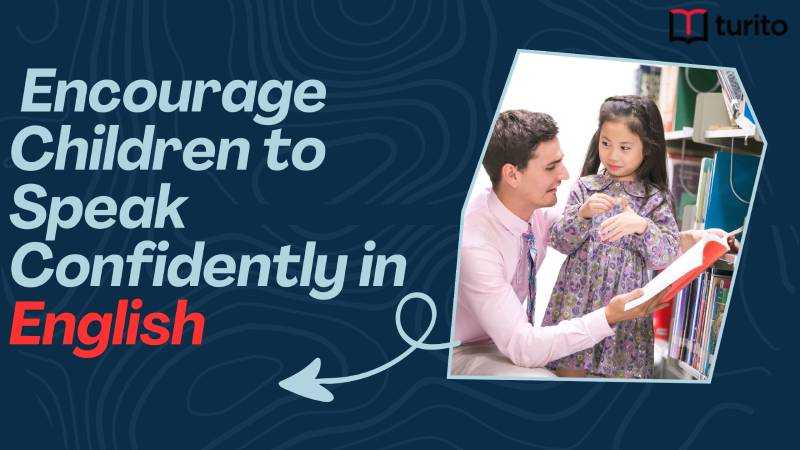
How to Encourage Children to Speak Confidently in English

When countries like England began building colonies across the world, their language and culture began to spread past geographical barriers, too. We’re all aware how colonization, the world wars, and industrialization contributed to its universality. Cities and things began being pronounced in English and took on new identities. Additionally, the advent of the internet spurred a second expansion as the language made its way into far-flung countries through cultural mediums like music and cinema. By the late 20th century, it started being adopted as a second and third language in the schools of the developing world.
Having command over any language from a young age can contribute to the overall cognitive health of a child. If that language happens to be English, it also ushers in multiple opportunities. Through this blog, we’ll assist you in instilling confidence in your child to speak in English.

Why Some Children Struggle to Speak English Confidently
Your child or student might be struggling to speak in English for a number of reasons. Since they are not emotionally equipped to overcome internal obstacles all on their own, a little help goes a long way in promoting English speaking in them.
Fear of Making Mistakes
Young students might fear pronouncing words wrong or making errors during oral reading. Their fear of making mistakes can also arise due to the following reasons:

- Self-judgment
- Gaps in understanding of the English language
- Fear of getting embarrassed in front of their peers
- Internalization of perfectionism
- Fear of disappointing their parents/teachers
- High anxiety or stage fright
Limited Vocabulary or Exposure
Limited writing practice or the absence of reading habits during a child’s formative years can lead to speaking troubles in children. As their vocabularies are limited, they are unable to express themselves well and might gradually withdraw from the language altogether. Lack of frequent exposure to texts or media in the English language impacts how connected they feel to the language.
Pressure to Speak “Perfect” English
Harmful pedagogical english speaking practices, like expecting students to grow at the same pace as their peers and speak perfect English, might put distance between them and learning. Expecting young children to speak “perfect” English can make them feel overburdened. It can feel discouraging to correct errors and work on polishing language skills when they are not allowed adequate leeway to grow at an organic pace.

How to Build English Speaking Confidence at Home
The right lesson plan, learning pace, and teaching approach can help build confidence in your child for speaking English.
Create a Supportive, Mistake-Friendly Environment
Excessive focus on mistakes can easily exhaust the joy children find in learning. They are driven by interest and curiosity, which gets suffocated by excessive pressure. A supportive, mistake-friendly environment sends the message that errors are key learning milestones and do not define their identity. It can help them approach English learning from a place of excitement and wonder rather than a sense of compulsion or perfectionism.

Use Everyday Situations for Simple Speaking Practice
Incorporating brief and fun learning exercises in daily routines can gradually help shed shyness and enhance the speaking skills in english of your child. Asking them simple questions about what they are wearing or eating in between meals can improve their communication skills in English. You can also ask them to narrate stories they watched in cartoon shows or get them to describe the outdoors after a walk. These everyday english language activities build storytelling skills while also improving cognition and memory.
Fun English Speaking Activities for Children
Sitting at a desk and being told to memorize rules about English grammar barely ever leads to actual learning. Young children are easily distracted. They seek stimulation and engagement. This is why fun speaking activities form a significant part of evidence-based learning techniques.

- Group Discussions on simple topics like a game, a cartoon show, an animal, etc
- Dumb Charades
- Scrabble
- Digital games like Kahoot! for spelling and vocabulary
- Role-play english language activities for conversational English speaking
- Memory games
- Password games
Using Structured Practice to Improve Speaking Skills
Structured english speaking practice is used in schools as well as by private/online tutors to promote English speaking in young students. It combines grammar practice, sentence formation lessons, and communication activities to help children grow. Tutors go from providing overall language support to gradually reducing it over time. Over the course of time, students are able to speak and communicate independently. It involves focused exercise like:
- Speaking in English at home
- Practising reading with your child
- Playing music that helps them learn new words
- Gamified learning in classrooms
- Enrolling your child in an online classroom with personalized learning modules
Short Daily Speaking Drills to Build Confidence
Daily speaking drills are confidence boosters in the way they aid in learning through consistent, regular english speaking practice.

- Describe something
Ask your child to describe a specific scene or object in the morning. They can narrate how the outdoors look or explain the features of the cereal box. Such a casual english language speaking test challenges them to apply their vocabulary as well as encourages creativity.
- Word of the Day
Decide on a word for the day. Ask your child to form three sentences with the word. It’ll enable them to practice sentence formation while also promoting the contextual understanding of words.

- Bedtime reflection
Help your child reflect on their day before bed through a simple and low-commitment english language speaking test. Ask them about the things they did in school, what they enjoyed doing, and what they did not enjoy. It helps them connect with the language as a medium for communication.
When to Consider an English Speaking Tutor
While it’s advisable to connect with an English-speaking one on one tutor once your child is past their kindergarten years, pedagogical challenges make tutoring imperative.
Signs Your Child Needs Structured Speaking Support
You’ll know your child needs structured support for speaking in English when you encounter the following situations:
- They have just moved to an English-medium school
- They do not feel interested in learning or speaking in English
- They are learning English, but refuse to speak it
- They fear making mistakes around peers
- They are falling behind in their English lessons
- Lesson plans and learning strategies in the physical classroom are not proving effective
Spotting these signs early can empower you to look for an ideal tutor before your child loses their confidence in English speaking any further.
Benefits of Learning from a Live English Speaking Tutor
A live English-speaking tutor is an English educator who’ll help mend your child’s relationship with English speaking in a virtual environment or in person. Young children facing learning difficulties benefit immensely from online tutors. Here’s why:
- Personalized Training
Live/online English speaking tutors have unique pedagogical expertise that allows them to meet your child where they are, in the learning journey. They understand the learning requirements of your child and design hyper-personalized lesson plans or English-speaking tests that make an impact.
- One-on-one Learning
Young children might need special attention that their teachers in physical classrooms are unable to provide due to a high headcount. One-on-one learning in a virtual classroom enables your child to vocalize their difficulties and build a bond with their english speaking tutor. This aids in fostering language learning in your child.
- Gamified Lessons
Language learning can be dull unless accompanied by fun english language activities that keep learners engaged. Modern online English speaking tutors are experienced in incorporating language games and applications to encourage speaking and grammar proficiency in young learners.
- Assessment Reports and AI-driven insights
In live or online English language classrooms, english speaking tutors take advantage of AI-driven insights to track the learning journey of their students and gauge their progress. These holistic assessment reports highlight the areas your child might be getting better at, as well as those that need targeted focus. Lesson plans are tweaked and restructured to promote learning.
How English Speaking Tests Can Help Track Progress
English language speaking tests are one of the most effective tools in tracking the progress of your child’s learning journey. They enable you to:
- Measure a child’s speaking fluency
- Evaluate their existing vocabulary
- Spot areas of weakness
- Target areas of weakness through personalized lessons
- Monitor their improving or falling confidence levels
- Gauge overall improvement in cognition
Turito holds weekly speaking tests to help test your english or that of your child. Moreover, gamified educational quizzes can help understand where a young learner stands in their English-speaking journey. The captured metrics from these assessments help english speaking tutors align with their students and support them more meaningfully.
The Best Ways to Improve Spoken English for Children
Adopt and integrate these methods to improve the spoken English for your children:
- Encourage them to speak without fear of making mistakes
- Converse in English at home
- Correct mistakes in simple and stress-free ways
- Read aloud with them
- Play language learning games
- Watch media/cartoon shows in English
- Hire an experienced online english speaking tutor to personalize learning
Using a combination of these methods will enable your child to grow by helping them enjoy speaking in English. You, as a parent, do not need to rack your brain anymore over the question of “spoken english how to improve?”
Conclusion
An ability to clearly understand and comprehend texts written in English enhances your child’s ability to express themselves clearly. In time, they feel empowered to pursue various academic goals. It also improves their accessibility and enables them to connect with people from other cultures, no matter their native language.
Designed to meet the unique learning needs of children, Turito is a revolutionary learning platform that aids your child in their English-speaking journey. With a proven track record in online learning, tutors on Turito combine engaging and fruitful learning techniques that kindle a love for the English language. Moreover, you, as a parent, are able to keep track of your child’s growth through the platform’s assessment reports and AI-driven learning insights. Find the ideal english speaking tutor for your child on our website and leave the rest to our pedagogical experts.
Frequently Asked Questions
How can I improve my child’s English speaking confidence?
Children love learning when they are driven by curiosity and interest. You can use a couple of learning techniques, like playing games, incorporating lessons into daily routine, and bedtime reflection in English, to boost your child’s confidence in the language.
What are simple English-speaking activities for kids?
Some of the simple and easy English-speaking activities for kids involve asking them to describe scenes or objects in English. You can also assign them a word for the day and help them practice sentence formation with the word. Mealtime conversations in English can also improve speaking skills in english.
How do I help my child prepare for an English-speaking test?
Practice reading aloud. It helps promote fluency, and your child is able to remember the repetitive words. Tell them that mistakes are okay. Familiarize them with common sentences through conversation. Practice test-style questions with them and be supportive of their efforts.
What is the best way for children to learn to speak English fluently?
Children learn to speak English fluently through exposure. When they communicate in English at home, watch cartoon shows or listen to music in English, these serve as live examples and are the best way to learn english speaking.
Should children take online English speaking classes?
Your child can benefit immensely from English-speaking classes. With personalized learning modules and gamified assessments, online english speaking tutors are able to keep students engaged while also promoting growth. As lesson plans are flexible, children are able to opt for the best way to learn english speaking. They grow at an organic pace instead of falling behind, which might affect their confidence.
How do English tutors help with speaking skills?
English speaking tutors in virtual classrooms design lesson plans and strategize learning goals by meeting the student where they are. They help instill the joy of English-speaking in children, so learning doesn’t feel burdening. Additionally, they use a wide range of digital tools to cater to the unique learning needs and styles of students.
Relevant Articles

20 English Topics Kids Can Practice Speaking On
Public speaking brings a healthy sense of excitement, even for …
20 English Topics Kids Can Practice Speaking On Read More »
Read More >>
Argumentative Essay: Definition, Format, Structure, and Examples
Want to put your opinions forward? Then you need more …
Argumentative Essay: Definition, Format, Structure, and Examples Read More »
Read More >>
How to Prepare for English GCSE Exams with Structured Practice
As you must be aware, the GCSE (General Certificate of …
How to Prepare for English GCSE Exams with Structured Practice Read More »
Read More >>Study Abroad

With Turito Study Abroad

With Turito Study Abroad

Get an Expert Advice from Turito

Get an Expert Advice from Turito
CAP

With Turito CAP.
Coding

With Turito Coding.
Robotics

With Turito RoboNinja
Tutoring

1-on-1 tutoring for the undivided attention

Comments: